

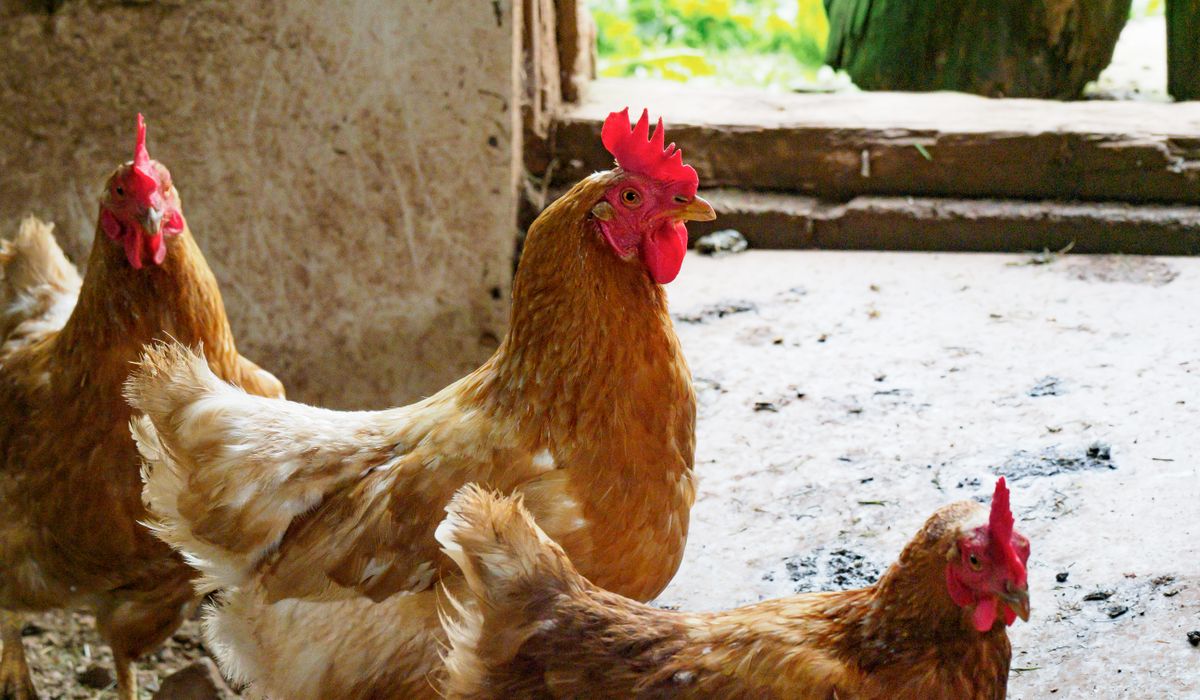
Why Your Hens Lose Their Feathers Every Year
Moulting is one of the most misunderstood events in backyard poultry keeping. Every autumn, as daylight hours shorten, hens begin to shed old feathers and grow replacements. It is not an illness, a mite infestation or a sign you have done something wrong — it is a natural, hormone-driven cycle that has evolved to give birds a fresh, insulating coat before winter. Feathers are roughly 85 per cent protein, so growing a full new set is physically demanding. In effect, moulting is the closest a hen gets to running a marathon. During this period she redirects the energy, calcium and amino acids she would normally put into egg production towards feather growth instead, which is precisely why the eggs stop coming.
Most hens have their first full moult at around 18 months old, then annually for the rest of their lives. Some birds sail through it in a few weeks with barely a gap in laying; others look as though they have been through a pillow fight for two or three months. Both are normal. A young pullet coming into her first autumn may also moult lightly, just to keep you guessing.
Recognising a Normal Moult
The first clue is usually a scattering of feathers in the run, often concentrated around the coop doorway or under the favourite dust-bathing spot. The pattern of loss is fairly predictable: neck and head first, then the breast and body, then the wings and finally the tail. Feathers fall in pairs and grow back in the same sequence, so a hen can look extremely scruffy for weeks.
Alongside the bald patches, expect:
- A pale, shrunken comb and wattles, which may flush pink again as she comes back into lay
- A noticeable drop in egg numbers, or a complete stop
- A slightly withdrawn or grumpy temperament, with more time spent resting
- A prominent, sharp keel bone, because she is not laying and may be eating a little less
- Pin feathers — short, spiky quills wrapped in a waxy sheath that will flake away as the feather unfurls
Do check any bare skin for redness, scabs or crawling lice, particularly around the vent and under the wings, because parasites can cause feather loss that mimics moulting but needs treating. If bare skin appears in mid-summer, or a single bird is being plucked by others, look at the flock's behaviour rather than the calendar.
Feeding for Feather Growth
This is where you can make a real difference. A laying hen needs around 16 per cent protein; a moulting hen benefits from 18 to 20 per cent. The simplest way to achieve this is to keep a quality layers pellet or mash as the base of the diet and top it up with high-protein extras.
Practical additions include:
- A small scrambled egg each morning, mashed with the shell for calcium
- Dried mealworms or calciworms, a handful per bird
- Tinned sardines in spring water, or a spoonful of fish-based cat food
- Sunflower hearts, hemp seed or a little cooked chicken — hens are omnivores and will happily take it
- Peas, sweetcorn or cooked beans for variety
- A splash of poultry spice or a vitamin and mineral tonic in the drinking water
Keep treats to no more than about ten per cent of the daily ration, or you will dilute the balanced nutrition in the pellets. Fresh, clean water matters more than ever, and a pinch of cider vinegar in the drinker is a traditional standby. If a hen goes off her food entirely for more than a day or two, that is worth a closer look.
Keeping Stress Low and Warmth High
Feathers are insulation, so a moulting hen feels the cold far more than her fully feathered flockmates. She will need extra shelter, dry bedding and draught-free perching, though ventilation must still be good to prevent respiratory problems. Deep straw or a thick layer of wood shavings in the coop helps her trap warmth when she sits at night.
Reduce stress wherever you can. Avoid moving birds between flocks, delaying routine health treatments or introducing new hens during a heavy moult. Do not over-handle them, either — emerging pin feathers are tender and a hen may squeal or flinch if you grab her. Feed from several stations so a bullied bird can eat in peace, and watch for feather pecking. Anti-peck sprays, extra space and boredom busters such as hanging cabbage or a scattering of mixed corn can all help.
Supporting the Return to Laying
As the new feathers finish unfurling, you will see the comb redden and enlarge again, and the hen will start squatting for you. Laying usually resumes three to eight weeks after the moult began, though older hens may hold off until the days lengthen in spring. Do not be tempted to force production with artificial lighting in autumn; interrupting a moult mid-way produces poor-quality feathers and a tired bird.
Offer a little extra calcium in the form of crushed oyster shell once eggs reappear, and expect the first few to be small or oddly shaped before settling into a routine. Be patient, keep the coop clean, feed generously and she will reward you with a gleaming new coat and a full basket of eggs before you know it.



John Doe
14 January, 2022Having no content in post should have adverse..
Chauffina Carr
10 April, 2022We use these tests all time! Killer stuff!
Jim Séchen
16 July, 2022Thanks for all the comments, everyone!