

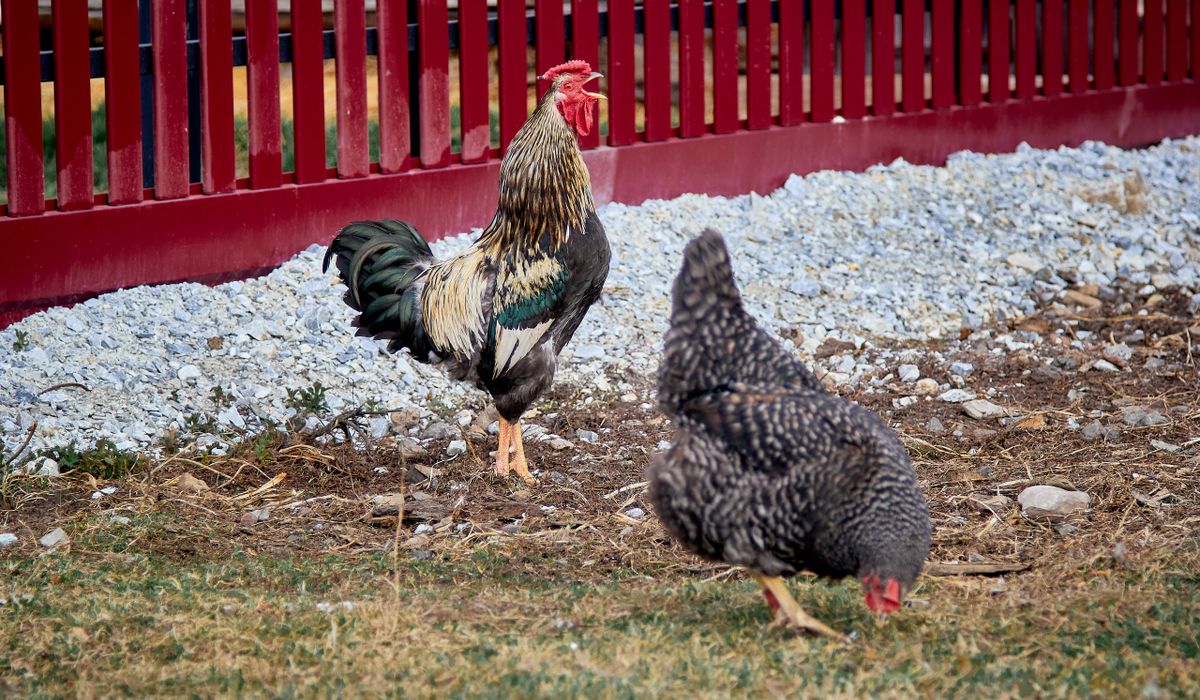
Start With Your Space, Not Your Wish List
It is very easy to fall in love with a breed before you have measured a single metre of your garden. Before you order point-of-lay pullets or reserve a trio at a poultry auction, take a walk around your plot with a tape measure and a notebook. Chickens are not demanding, but they do have firm requirements, and getting the space right first saves a great deal of heartache later.
As a rough guide, allow at least one square metre of secure run per bird, and rather more if they will be confined for most of the day. Inside the coop itself, aim for around 25 to 30 centimetres of perch length per hen and a nest box for every three to four birds. Three hens is a sensible starting point for most back gardens — enough for company, few enough that a single coop is manageable.
If your space is tight, consider bantams. They eat less, produce smaller eggs, and are often friendlier as pets, though their eggs are correspondingly dainty.
Check the Rules Before You Build
In the UK, keeping a few hens in a back garden is usually straightforward, but a few checks will save you trouble.
- Your tenancy or lease: if you rent, check your agreement. Many prohibit livestock, and a landlord may treat poultry as such.
- Your deeds or freehold covenants: some newer estates restrict the keeping of poultry or the erection of outbuildings.
- Local authority rules: some councils limit numbers on domestic premises, and if you keep more than a certain number of birds you may need to register your flock with the relevant animal health authority.
- Neighbours: a cockerel is almost never a good idea in a suburban garden. Hens are quiet, but a hen announcing an egg at six in the morning can still travel.
- Rat risk: feed attracts rodents. Store food in metal bins and clear spilled grain promptly.
It is also worth confirming that your garden is free of foxes — or rather, that you assume it is not. A fox will clear a two-metre fence without trouble, and daytime raids are common in urban areas.
Plan for Daily and Weekly Care
Chickens are often described as low-maintenance, which is true only if you are consistent. Realistically, budget ten to fifteen minutes each morning and evening, plus a longer session at the weekend.
Daily tasks include letting the birds out, checking the drinker and feeder, collecting eggs, and doing a quick headcount and health glance. You are looking for bright eyes, clean vents, and normal behaviour. A hen that stands hunched and fluffed up in a corner is telling you something.
Weekly, you will want to top up bedding, turn or replace it, scrub drinkers, and check the run for damp patches. Damp is the enemy of poultry health, particularly in winter. A deep layer of wood shavings or hemp bedding in the coop, topped up regularly and fully mucked out a few times a year, keeps smells down and birds comfortable.
You will also need a plan for holidays. Hens need someone to let them out, feed them, and shut them in at dusk. Book that help before you book the flight.
Pick Breeds That Suit Your Setup
There is no single best breed, only the best breed for your garden and your reasons for keeping chickens.
- For eggs: hybrids such as a Bluebelle or a speckled hen lay reliably for two or three years. They are hardy and forgiving of beginners.
- For temperament: Orpingtons and Sussex are calm, docile, and good with children, though they eat heartily.
- For hardiness: hybrids and most utility breeds cope well with British weather. Avoid very large, heavily feathered breeds in a muddy run.
- For small spaces: bantams, including Pekins and Dutch bantams, need less room and less food.
- For longevity: pure breeds often live longer and lay for more years, though less intensively.
Whatever you choose, start with at least three birds. Chickens are social, and a lone hen is a stressed hen. Buying point-of-lay pullets in spring gives you eggs within weeks and lets them settle before winter.
Set Up the Essentials Properly
Before the hens arrive, have these in place:
- A predator-proof coop and run. Weld mesh, not chicken wire, and a secure roof or cover.
- A covered area. A run with a solid roof or tarpaulin keeps feed dry and gives shade in summer. Chickens dislike being soaked.
- A dust bath. A shallow tray of dry soil, sand, and wood ash helps them control mites and is a joy to watch.
- Feed and grit. A good layers' pellet, plus mixed grit for digestion and oyster shell for strong shells.
- A clean drinker. Hens foul water quickly. Raise drinkers slightly off the ground.
- A first aid kit. Poultry-safe wound spray, gloves, and a small towel for handling.
Finally, find a local poultry vet before you need one. Not every practice treats chickens, and knowing who to call turns a panic into a phone call.
Be Honest About the Commitment
A well-kept hen can live for six to eight years, and some pure breeds considerably longer. During that time she will lay well for two or three years and then taper off, and she will still need feeding, housing, and care. That is the bargain: companionship and eggs in exchange for daily attention, whatever the weather.
If that sounds reasonable, you are ready. Start small, build securely, keep things dry, and let your first flock teach you the rest. Most keepers will tell you the same thing — the hens turned out to be the easy part. It is the planning beforehand that decides whether the whole venture is a pleasure or a chore.




John Doe
14 January, 2022Having no content in post should have adverse..
Chauffina Carr
10 April, 2022We use these tests all time! Killer stuff!
Jim Séchen
16 July, 2022Thanks for all the comments, everyone!