

Start With a Good Layers' Pellet
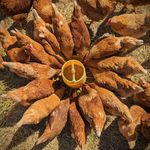
A complete layers' pellet should be the backbone of your hens' diet. It is formulated to supply the protein, calcium, vitamins and minerals a hen needs to produce an egg nearly every day, and if she eats nothing else but pellets and drinks clean water, she will do well. Look for a feed intended specifically for laying hens, with around 16 to 17 per cent protein and roughly 3.5 to 4 per cent calcium. Pellets, crumble and mash are the same formulation in different textures; pellets tend to be eaten more neatly and wasted less.
Freshness matters more than most people realise. The vitamins in a bag of feed degrade over time, particularly in a warm shed, so buy from a supplier with a good turnover and aim to use a sack within about six weeks of opening. Store it in a cool, dry, rodent-proof bin, and never use feed that smells sour or shows any sign of mould.
Water: The Nutrient Nobody Counts
A laying hen drinks somewhere between 250ml and half a litre a day, and considerably more in hot weather. Water is easy to overlook because hens rarely look obviously thirsty; instead, they simply slow down and stop laying. In practice, that means checking drinkers at least twice a day in summer and clearing ice from them every morning in winter. A hen that cannot drink will barely eat.
- Site drinkers in the shade and raise them off the ground to keep droppings and bedding out.
- In a heatwave, drop a frozen bottle into the drinker or refill with cool water in the afternoon.
- Scrub drinkers weekly with a brush — algae and biofilm put hens off drinking and harbour bacteria.
- Provide more than one drinker if you keep a larger flock, so a bossy hen cannot guard the only supply.
How Much to Feed, and When
A typical hybrid laying hen eats roughly 120 to 150g of pellets a day; larger, heavier breeds will take a little more. You can either keep a hopper topped up so birds help themselves, or feed a measured ration twice daily. The second approach is often better with small flocks, because it lets you see quickly if appetites change — a sudden drop in feed intake is one of the earliest signs that something is wrong.
Feed at consistent times and use a proper trough rather than scattering pellets on the ground, which keeps the feed dry and discourages wild birds, rats and mice. Give an amount the flock will clear in a day; soggy pellets left out overnight are wasted money and a magnet for vermin. If you change brand or switch between pellets and mash, mix the old and new feed over seven to ten days so digestive systems adjust gradually.
Treats and the Ten Per Cent Rule
Treats should make up no more than about ten per cent of what your hens eat each day — in practice, a small handful per bird, no more. Overdo it and you dilute the protein and calcium in the diet, which shows up as fewer eggs, thin or soft shells, fat hens that lay poorly, and more difficult moults. A hen that fills up on corn and scraps has no room left for the feed that actually keeps her productive.
Good choices include a cabbage or kale hung up to peck at, garden weeds such as chickweed and dandelion, a few dried mealworms, black sunflower seeds, and a light scatter of mixed corn in the late afternoon during cold spells. Avoid bread in quantity, anything mouldy, salty or fatty leftovers, avocado, chocolate, raw potato peelings, and large amounts of onion or citrus. Note too that under UK rules kitchen scraps should not be fed to poultry at all, so stick to produce from the garden or the feed merchant.
Grit, Oyster Shell and the Little Extras
Hens have no teeth. Food is ground up in a muscular gizzard, and that needs insoluble grit — flint or mixed poultry grit — to work properly. Birds on free range usually find enough for themselves, but if your hens are confined, offer a small dish of grit and let them take what they need. Soluble grit, in the form of oyster shell, is a different job entirely: it supplies calcium for shell formation.
Hens on a good layers' pellet get sufficient calcium for normal eggs, but a separate dish of oyster shell allows each bird to top up her own requirements. This is especially useful for older hens and during spells of thin-shelled eggs. Never stir oyster shell into the main feed, as hens cannot then regulate their own intake. Crushed, baked eggshells can also be offered, but crush them small so they do not resemble an egg and encourage egg-eating.
Adjusting Through the Year
Feeding is not quite the same job in July as it is in January. During the annual moult, usually in late summer or autumn, hens divert protein into growing new feathers and stop laying for a few weeks. Support them with a slightly higher protein intake — extra mealworms, or a breeder or grower pellet for a short period — and be patient; they will come back into lay once feathered up.
- Winter: shorter days naturally reduce laying. Keep the layers' pellet as the staple rather than filling birds up with corn, and make sure water never stays frozen.
- Summer: hens eat less in the heat, so offer feed in the cool of early morning and evening, and keep water cool and plentiful.
- Spring: peak production, so watch condition and shell quality closely and keep calcium available.
- Older hens: often need a little more protein and calcium to keep shells strong.
Get the basics right — a quality pellet, constant access to clean water, sensible limits on treats, and grit and oyster shell on offer — and everything else tends to look after itself. Hens are forgiving creatures, but they reward consistency, and a well-fed flock will lay steadily from spring through to the shortest days of the year.


John Doe
14 January, 2022Having no content in post should have adverse..
Chauffina Carr
10 April, 2022We use these tests all time! Killer stuff!
Jim Séchen
16 July, 2022Thanks for all the comments, everyone!