

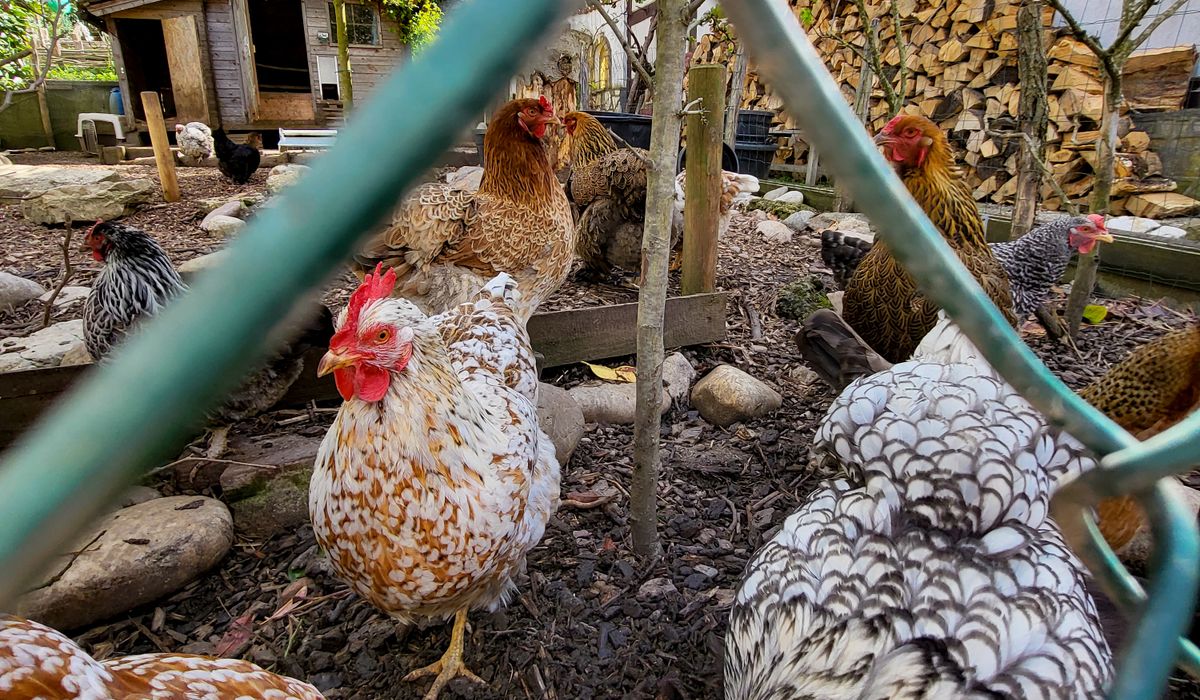
Why Predator-Proofing Matters More Than You Think
If you keep hens in the UK, you share your patch with determined predators. Foxes are the obvious threat, and urban foxes are bolder than ever. But badgers, stoats, weasels, rats, and even the neighbour's dog can take an interest in a coop that is not properly secured. A fox will not just take one hen; it will often kill every bird it can reach. Badgers are powerful enough to tear through flimsy wire or lift a poorly fitted roof. The good news is that a well-built coop, plus a few simple habits, will keep your flock safe for years.
Choose the Right Spot and Build a Solid Base
Before you hammer a nail, think about where the coop will sit. A dry, well-drained spot is best. Avoid low corners where water pools, as damp bedding encourages respiratory problems. Face the coop away from the prevailing wind, but do not tuck it under dense trees where foxes can approach unseen. Leave a clear metre around the coop so you can inspect for digging and so predators have nowhere to lurk.
The base matters as much as the walls. A coop raised on sturdy legs or a paved slab is harder for digging predators to undermine. If you use a wooden floor, line it with galvanised weldmesh underneath. For a ground-level coop, build a solid timber frame and sit it on concrete paving slabs or a poured concrete plinth. This prevents rats from tunnelling up through the floor and gives you a clean, dry surface to work from.
Walls, Roof, and the Ventilation Balance
Chicken wire keeps hens in, not predators out. Foxes can bite through it, and badgers will rip it apart. Use galvanised weldmesh with a minimum thickness of 16 gauge and holes no larger than 25mm x 25mm. Fix the mesh to a sturdy timber frame using galvanised staples every 5–7cm, then add a wooden batten over the staples to stop them being prised out.
The roof needs the same treatment. Solid timber or corrugated metal sheets are excellent. If you use felt, secure it with battens and check it after storms. Ventilation is vital for healthy hens, but it must not create a draught at bird level. Fit high-level vents on opposite walls, covered with weldmesh, and leave a gap of at least 5cm between the top of the wall and the roof. This lets moist air and ammonia escape while keeping rain and predators out. In winter, you can baffle the vents with wood, but never block them completely.
Doors, Latches, and the Weakest Link
Most predator attacks happen through a door that was not properly latched. Foxes can open simple hooks and bolts with their paws and noses. Use two-step latches: a sliding bolt with a spring-loaded catch, plus a carabiner or padlock. Fit bolts at the top and bottom of the door. Pop holes should also have a secure latch. A popular trick is a bolt that drops into a hole in the frame, secured with a pin. Check that the door fits snugly; a gap of more than 1cm is an invitation to a fox's paw or a rat's teeth.
Automatic door openers can fail. Always check that the door is closed at dusk yourself, or use a timer you verify weekly. Never rely solely on a battery-operated device in a high-risk area.
Buried Wire and Digging Defences
Foxes and badgers are excellent diggers. A wire skirt laid on the ground is not enough; it must be buried. Dig a trench 30–45cm deep around the perimeter of the coop and run. Lay a 60cm wide strip of weldmesh in the bottom, bent into an L-shape so 30cm goes down and 30cm lies outward. Secure the outward edge with pegs, then backfill with soil and tamp it down. This creates a barrier that predators cannot tunnel under. For badgers, extend the buried depth to 60cm and use a heavier gauge mesh. If you have a solid floor, extend the mesh outward from the base and bury it as above.
Also check for gaps under gates or along fence lines. A determined rat can squeeze through a hole the size of a 50p coin. Fill gaps with wire wool and seal with expanding foam or mortar.
Routine Checks and Keeping Predators Guessing
Even the best coop needs a weekly once-over. Walk the perimeter and look for fresh digging, loose wire, or chewed timber. Check that latches snap shut and hinges are tight. Look for droppings or tracks in the mud; a fox often leaves scat on raised spots like logs or stones. At night, listen for alarm calls from your hens. If they are restless, something is about.
Keep the area around the coop tidy. Long grass and rubbish give predators cover. Store feed in metal bins, not plastic sacks, and never leave spilt grain out overnight. A secure, well-maintained coop is your hens' nightly sanctuary. Build it once, build it right, and you will sleep as soundly as they do.





John Doe
14 January, 2022Having no content in post should have adverse..
Chauffina Carr
10 April, 2022We use these tests all time! Killer stuff!
Jim Séchen
16 July, 2022Thanks for all the comments, everyone!