

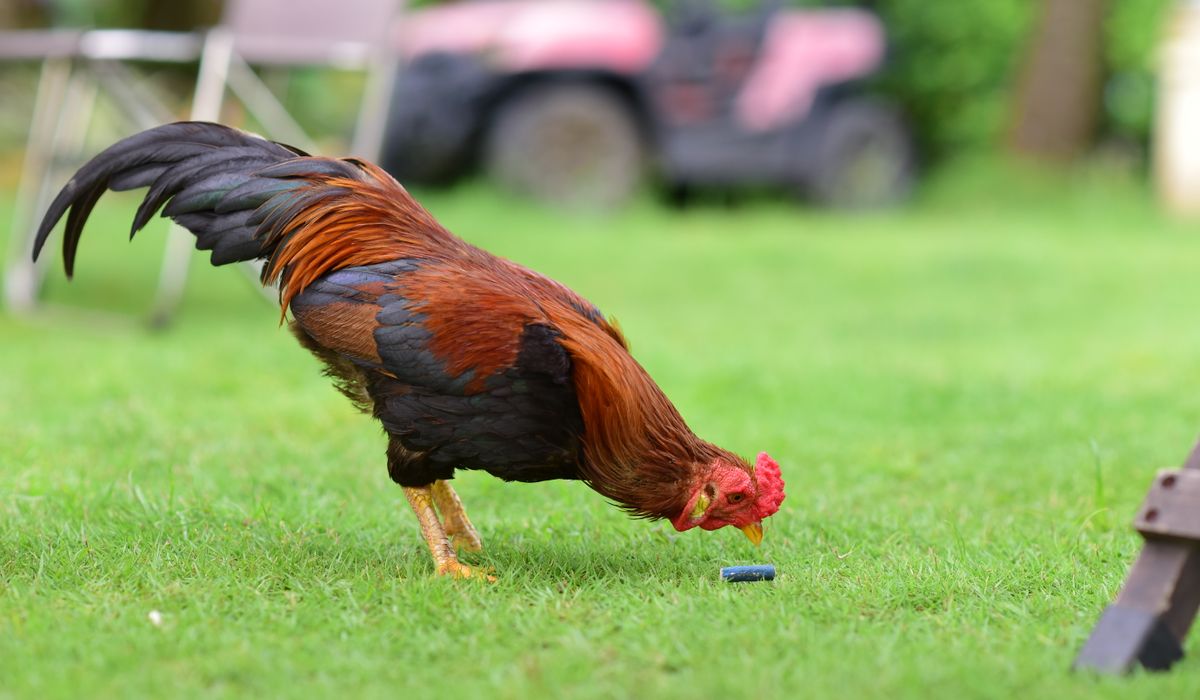
Start With the Space You Actually Have
Before you fall in love with a picture of a fluffy Orpington, be honest about the plot you are working with. Chickens are sociable birds and need company, so the realistic minimum is three hens. A trio needs a coop with at least 30cm of perch space each, one nest box between them, and a run offering roughly one square metre per bird. If the run is a permanent fixture on wet clay, double that, because mud and boredom are the two things that turn a happy flock into a feather-pecked one.
Small courtyards and paved patios suit bantams well. Pekins, Dutch bantams and Silkie bantams are compact, eat less and damage the ground far less than a big hybrid. The trade-off is egg size: a Pekin lays a small egg, perhaps three or four a week in season. If you have a quarter of an acre, standard-sized birds are no trouble at all, and you can afford to keep a mixed flock of layers and a couple of heavy, friendly pets.
Temperament: Matching Birds to Your Household
If children will be handling the hens, temperament matters more than any egg chart. Hybrids bred for commercial laying tend to be calm, curious and unfussy about being picked up, though they are rarely long-lived and often slow down after two seasons. Heritage breeds vary enormously in character.
- Sussex and Plymouth Rock – docile, hardy, easy to handle, and happy to range on grass. A superb first flock.
- Orpington – big, gentle and almost comically tame, but they eat well and can go broody at the drop of a hat.
- Wyandotte – friendly, good in cold weather and less inclined to wander than lighter breeds.
- Silkie and Pekin – gentle and charming, but their crests and feathered feet need checking for mud and mites.
- Leghorn and Welsummer – excellent layers, but flighty, noisy and not ideal around small children.
Roosters are a non-starter in most UK gardens. Even a bantam cockerel crows at four in the morning, and neighbours have a legitimate noise complaint. A hen-only flock lays perfectly well without one.
Egg Output Versus Longevity
Hybrids such as the Speckledy, Bluebelle, Rhode Rock and Warren are the workhorses of the backyard. Expect four to six eggs a week in their first laying year, handsome brown or blue shells, and a steady supply without much fuss. They are not a heritage breed in any meaningful sense, so do not plan to breed from them.
Heritage breeds lay fewer eggs but keep going longer and often live to five or six years. A Sussex or Marans might give you three or four eggs a week for several seasons, with a natural pause through the short days of winter and a full stop while moulting in late summer. The dark brown Marans egg is a genuine pleasure on the breakfast table.
Blue and green eggs come from Cream Legbars and Araucanas, both of which are reliable layers and add a bit of theatre to the egg basket. If you keep two hybrids, a Sussex and a Legbar, you will get a colourful, dependable supply for most of the year and a flock with genuinely different personalities.
Hardiness Through a British Winter
Most standard breeds cope well with damp cold provided their coop is dry and draught-free, with ventilation above head height rather than a howling gap at floor level. Feathered feet, however, are a liability on wet ground. Pekins and Brahmas suffer in muddy conditions, and their foot feathers collect muck that can lead to scaly leg mite.
Breeds with small combs and rose combs handle frost better than those with large single combs, which are prone to frostbite. Wyandottes and Sussex have the advantage here. In a wet, exposed garden, choose a breed with tight feathering and a sensible comb, and give them a covered area so they can scratch about outdoors without standing in a puddle.
Feather loss during the annual moult is normal but leaves birds vulnerable. Feed a higher-protein ration during that period and keep them out of the worst weather until the new quills have grown through.
Feeding, Laying and the Broody Problem
Whatever breed you choose, feed a proper layers' pellet rather than scraps and mixed corn. Corn is a treat for cold afternoons, not a balanced diet, and too much of it makes hens fat and less productive. Grit and crushed oyster shell should be available at all times so shells stay hard.
Some breeds go broody constantly. Silkies, Orpingtons and Cochins will sit on an empty nest box for weeks if allowed, losing condition and stopping laying. If you want chicks, a broody hen is a gift. If you do not, you will need to lift her off the nest regularly and, in stubborn cases, use a cool, raised wire-bottomed pen for a few days to break the cycle.
A Practical Way to Decide
Write down three things before you buy: the size of your run, how many eggs your household actually eats, and how much handling the birds will get. Then choose accordingly.
- Tiny garden, children, eggs welcome but not essential: three bantam Pekins or a trio of Sussex bantams.
- Average garden, family handling, reliable eggs: two hybrids plus a Sussex, all standard size.
- Larger plot, wants colour and character: a mixed flock of Marans, Cream Legbar and Wyandotte.
- Wet, exposed site: prioritise Wyandottes, Sussex or Plymouth Rocks over feathered-footed breeds.
Buy point-of-lay pullets in spring or early autumn so they settle before the cold sets in, and always source birds from a reputable breeder or a vaccinated flock rather than an unknown market. Get the breed right and the rest of hen keeping becomes what it should be: a quiet, generous pleasure at the bottom of the garden.



John Doe
14 January, 2022Having no content in post should have adverse..
Chauffina Carr
10 April, 2022We use these tests all time! Killer stuff!
Jim Séchen
16 July, 2022Thanks for all the comments, everyone!