

Treats Should Never Be the Main Event
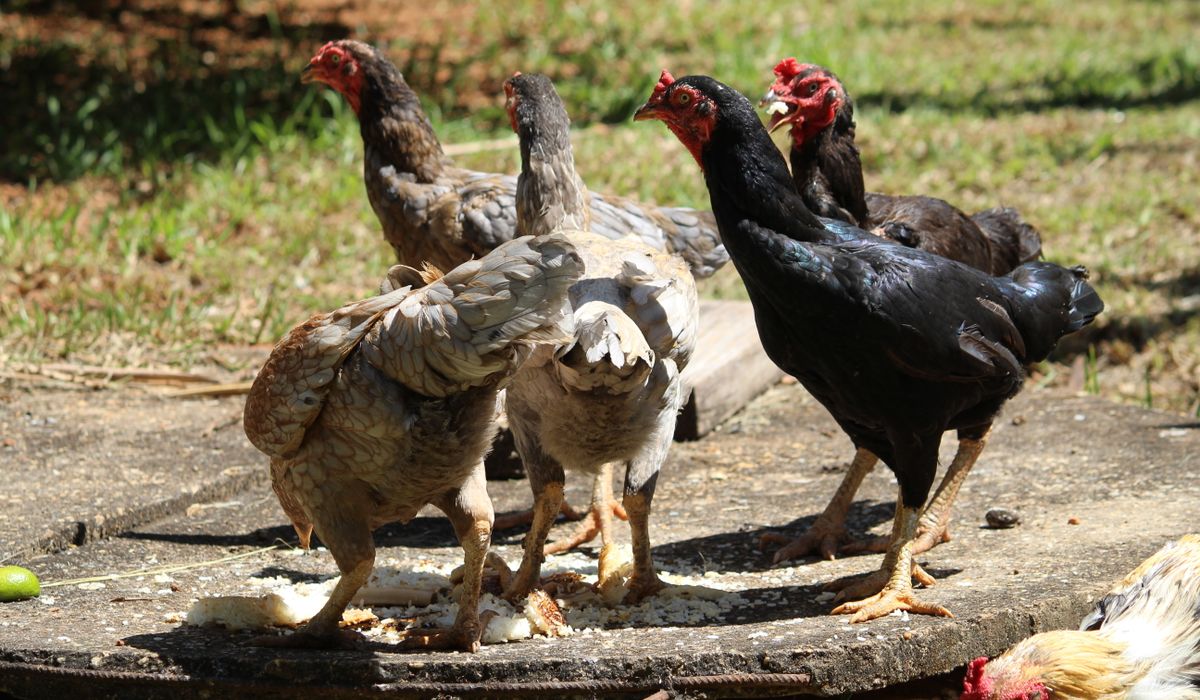
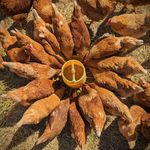
There is something deeply satisfying about watching a flock of hens charge across the lawn for a handful of scraps. But it is worth remembering that a chicken's nutritional needs are pretty well covered by a good-quality layers pellet or mash. Treats and kitchen scraps should make up no more than about ten per cent of the daily intake — a decent handful per bird, not a bucketful.
When hens fill up on bread, pasta and corn, they simply eat less of the balanced ration that gives them the protein, calcium and vitamins they need to lay well and stay healthy. The signs of over-treating are easy to spot once you know them: a drop in egg numbers, thin or soft shells, hens that look a bit tatty, or a flock that suddenly turns its beak up at the feeder. If you notice any of these, cut the extras right back for a fortnight and see what happens.
The Best Kitchen Scraps to Offer
Most of what you would put on the compost heap is fair game, provided it is fresh, clean and plain. Think of it as a supplement rather than a meal, and chop anything large enough to cause a blockage.
- Leafy greens: cabbage, kale, broccoli stalks, cauliflower leaves, spinach, rocket and lettuce — all brilliant for filling crops and keeping hens busy.
- Root vegetables and peelings: carrot, parsnip, swede, beetroot and cooked potato (never raw or green-skinned potatoes).
- Courgettes, cucumber, marrow and squash: an excellent way to use up a garden glut in late summer.
- Fruit: apple, pear, plum, berries, melon and ripe tomatoes in small amounts. Stone fruit stones should be removed.
- Cooked grains: plain, cooled rice and pasta are fine now and then. Avoid anything with sauce, salt, oil or dairy in it.
Steer clear of mouldy, slimy or fermented leftovers, however much the hens seem to enjoy them.
Grains, Seeds and a Little Protein
Scratch grains such as wheat, oats and mixed corn are traditional poultry treats and are especially useful on a cold afternoon — the slow digestion of a bit of corn helps hens keep warm overnight. Feed it late in the day rather than first thing, so it does not displace the layers ration.
Sunflower seeds, hemp seed and dried or live mealworms are higher in protein and are gold dust during the annual moult, when hens need extra protein to regrow feathers. A small scoop of mealworms for a flock of four or five, two or three times a week, is plenty.
Sprouted seeds, hung-up nettles, dandelion leaves and comfrey are free, nutritious and hugely popular. Always supply mixed poultry grit alongside anything fibrous, plus a separate dish of crushed oyster shell for the layers.
Foods to Keep Well Away From the Coop
Some leftovers are genuinely dangerous, and it pays to be strict about them.
- Anything salty: crisps, bacon rind, gravy, stock cubes, sausages and takeaway leftovers. Chickens have a low tolerance for salt, and poisoning can be fatal.
- Mouldy food of any kind: bread, grain, nuts or fruit. Moulds produce toxins that can cause serious liver damage and sudden deaths.
- Onions, garlic, leeks, chives and shallots: large amounts can cause anaemia and taint the eggs.
- Avocado: the fruit, skin, stone and leaves contain persin, which is toxic to poultry.
- Green potato skins, potato sprouts, rhubarb leaves, and tomato or potato foliage: all contain solanine or oxalic acid.
- Raw dried beans and lentils: the lectins are harmful unless thoroughly cooked.
- Chocolate, caffeine and alcohol: all toxic, even in small quantities.
Citrus fruit is not strictly poisonous, but it can interfere with calcium absorption, so it is best left off the menu. Very fatty or sugary foods — chips, cake, pastries — are not toxic but will make hens overweight and reduce laying.
How to Feed Treats Sensibly
Scatter scraps on clean, dry ground rather than in the coop or run, which keeps the bedding dry and stops uneaten food going sour. Remove anything the flock has not cleared within an hour or so, particularly in warm weather, and never leave food out overnight — it encourages rats and mice.
Use treats as a training tool: a rattled tin of corn will have even the flightiest hen eating from your hand within a fortnight. Keep a close eye on condition as well as egg output, and remember that a hen in lay has a delicate balance to maintain. A little thought about what goes into the bucket keeps the flock healthy, the egg basket full and the compost heap well fed.


John Doe
14 January, 2022Having no content in post should have adverse..
Chauffina Carr
10 April, 2022We use these tests all time! Killer stuff!
Jim Séchen
16 July, 2022Thanks for all the comments, everyone!