

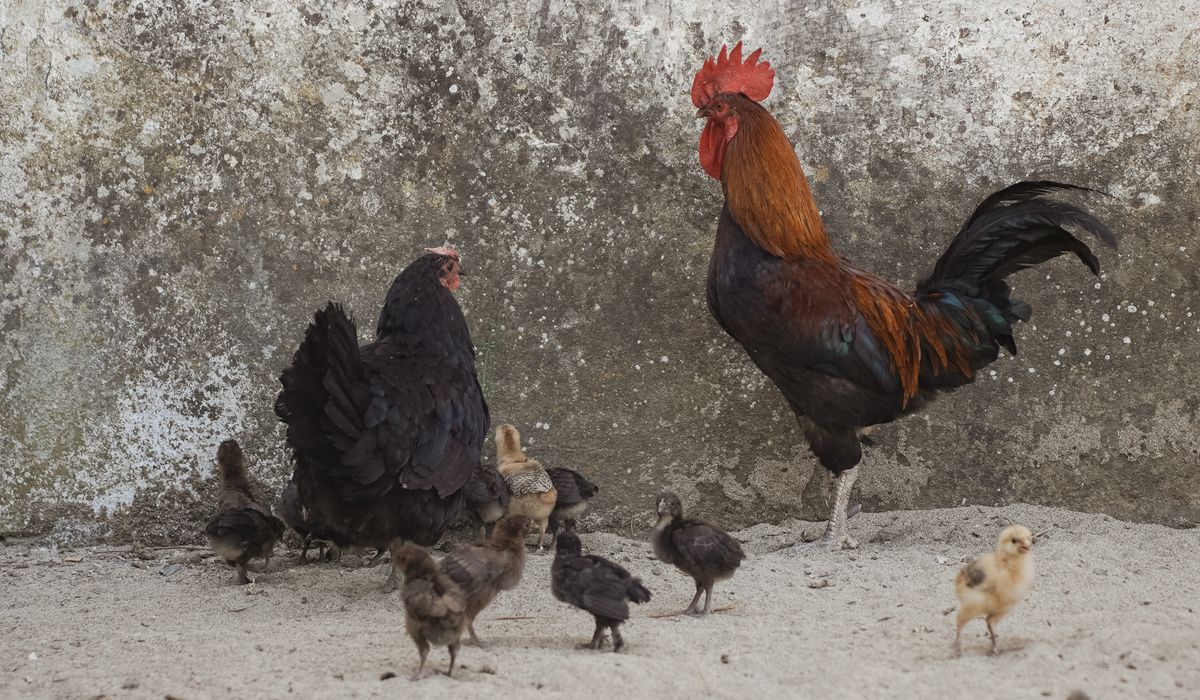
Winter is a Test of Husbandry, Not Heroics
Hens are remarkably hardy birds. A healthy, fully feathered hybrid or pure breed can cope with a British winter far better than most new keepers expect, provided she is dry, draft-free and well fed. Where winter catches people out is not the cold itself but the small things that creep up in December: a drinker frozen solid by seven in the morning, a coop sealed so tightly that the air turns to ammonia, or a bird quietly losing condition because she is burning more energy than she is taking in. Get the basics right in October and November, and the worst of January becomes little more than a routine.
Draughts Out, Fresh Air In
There is a real difference between a draught and ventilation, and confusing the two is the single most common winter mistake. A draught is cold air moving across the birds at perch height. Ventilation is a steady, gentle exchange of air above their heads that carries away moisture and ammonia.
- Seal low-level gaps in walls, doors and floors. Use draught excluder, plywood offcuts or a hinged door panel — anything that stops wind whistling across the perch.
- Keep high-level vents open. Pop holes, roof ridges and vents under the eaves should stay clear all winter. Damp air is the enemy; a coop that feels slightly airy at head height but still at bird level is exactly right.
- Insulate if you can. A layer of loft insulation or foil-backed bubble wrap under the roof keeps warmth in and, just as importantly, stops condensation dripping onto the birds.
- Deepen the litter. A good 10–15cm of dust-extracted shavings or chopped straw gives hens something to burrow into and adds a little insulation underfoot. Turn it daily where you can and top it up weekly.
Hens tolerate cold well. What they cannot tolerate is being wet, so if a run has no shelter, add a covered area or a windbreak of tarpaulin on the prevailing-weather side. Never use a heat lamp in a wooden coop. The fire risk is real and the sudden temperature swings do more harm than good.
Frozen Drinkers: The Daily Battle
Water matters more in winter than in summer, oddly enough, because hens eating dry pellets drink a great deal. A bird without water for a day will stop laying almost immediately and can dehydrate quickly.
- Run two drinkers in rotation. Bring one indoors overnight, swap it out at first light, and take the frozen one in to thaw.
- Choose rubber or flexible bowls where possible — ice tips out with a flex of the wrist rather than a chisel.
- Insulated jackets or a thermo base designed for poultry drinkers are worth the money where mains power is safely available outdoors.
- Never add salt, sugar or antifreeze. Glycerine products sold for the purpose are fine, but nothing else.
- Check twice daily in a hard frost and site drinkers in sun if you have any.
Feeding for Warmth and Eggs
A hen's maintenance energy requirement rises noticeably in cold weather, and if she is moulting or laying she needs more still. Adjusting the ration is the kindest thing you can do for her.
- Increase the evening feed. A slightly larger portion of layers pellets given late afternoon gives her fuel to burn through the coldest hours.
- Add slow-burning energy. A small handful of mixed corn or cracked maize per bird in the late afternoon is a traditional and effective warmer. Keep it to roughly 10% of the daily ration so protein intake stays adequate.
- Offer warm mash. Pellets mixed with warm — not hot — water make a comforting breakfast on bitter mornings and encourage drinking.
- Keep protein up during the moult. Feathers are protein. Sunflower hearts, mealworms or a higher-protein ration help regrowth before the hardest weather.
- Always provide mixed grit and oyster shell free-choice, and keep feeders under cover so pellets do not turn to mush.
Combs, Feet and Feathers
Cold-related problems are usually small and preventable. Check birds over weekly rather than waiting for something to look wrong.
- Watch large single combs in a hard frost. A smear of petroleum jelly gives useful protection against frostbite.
- Inspect feet for mud balls and bumblefoot if the run is poached. Keep the worst of the mud scraped and add woodchip to high-traffic areas.
- Check for mites and lice. Red mite is largely dormant in winter, but northern fowl mite thrives in a warm, crowded coop. Dust-bathe areas and perches need attention.
- Trim muddy feathers around vent and feet only if absolutely necessary — damaged plumage is poor insulation.
Light, Routine and a Little Common Sense
Laying naturally tails off as daylight shortens. Supplementing with a light to give fourteen hours of "day" will keep many hens in lay, but it must be introduced gradually and used consistently — sudden changes trigger a moult. If you would rather let them rest, that is a perfectly respectable choice; they will come back into lay strongly in spring.
Mostly, winter keeping is about rhythm. Open up and check water at first light, feed and count heads, collect eggs before dusk, shut up and check the pop hole is secure. Rodents move indoors in cold weather, so store feed in metal bins and clear spilled grain. Do those small things daily and your flock will come through to spring in fine condition, feathers glossy and combs bright.



John Doe
14 January, 2022Having no content in post should have adverse..
Chauffina Carr
10 April, 2022We use these tests all time! Killer stuff!
Jim Séchen
16 July, 2022Thanks for all the comments, everyone!