

What Makes a Heritage Chicken Breed?
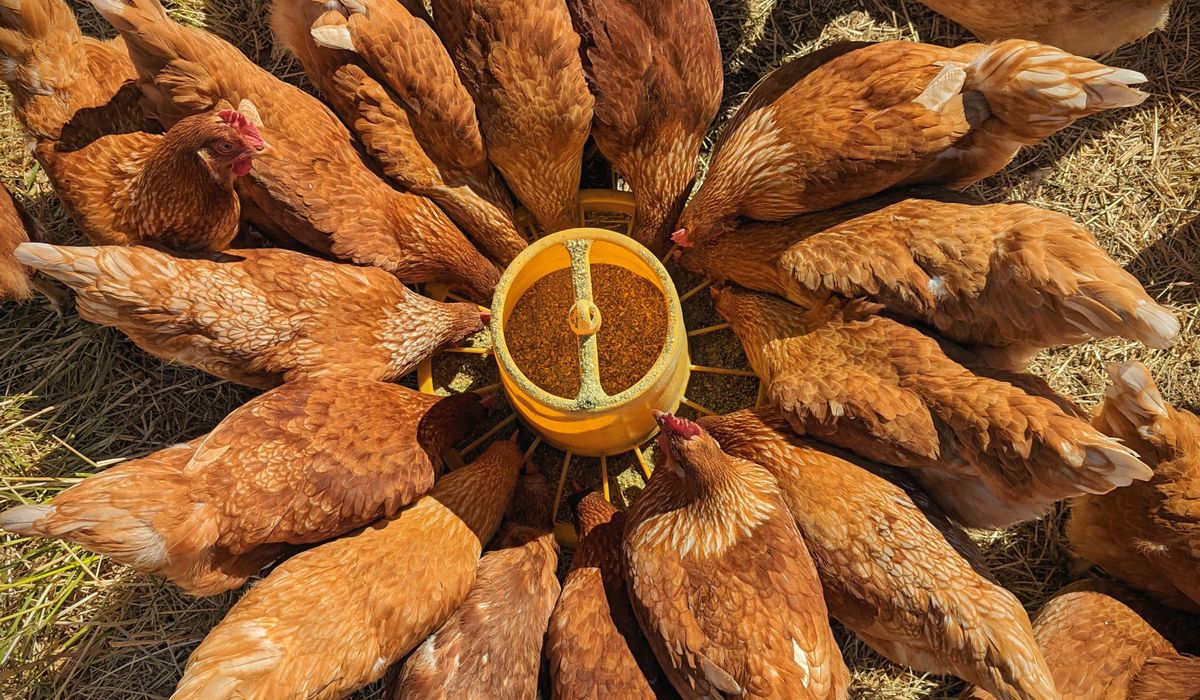
Heritage breeds are the traditional poultry that were developed before the rise of industrial farming. They were standardised in the nineteenth and early twentieth centuries, with breed societies setting down clear descriptions for plumage, comb, and body shape. Unlike commercial hybrids, which are carefully crossbred for maximum egg numbers or rapid meat production, heritage birds breed true. If you mate a Buff Orpington with another Buff Orpington, you get Buff Orpington chicks. That genetic stability is the foundation of their appeal, but it also means they have not been selected for the cramped conditions of a battery shed. They expect space, fresh air, and a chance to behave like chickens.
The Case for Heritage in a Small Flock
Keeping a few hens in the garden or on a smallholding is about more than filling an egg box. Heritage breeds bring character. A Light Sussex will follow you round the vegetable patch, whilst a Cream Legbar is a lively, almost wild thing that would rather roost in a tree than a coop. Their eggs are a pleasure: deep mahogany Marans, sky-blue Legbars, and speckled Welsummer shells look wonderful in a bowl. Many are dual-purpose, giving a reasonable carcass as well as eggs. Perhaps most importantly, every heritage flock helps maintain genetic diversity. The rare breeds – Norfolk Grey, Dorking, Indian Game – are kept alive by smallholders like you. Without that, we lose centuries of adaptation to British weather and soil.
Matching Breeds to Your Space and Setup
Heritage birds generally need more room than hybrids. A hybrid can cope with a run of one square metre per bird; a heritage hen will be stressed and prone to feather pecking unless she has at least two square metres, plus the chance to range freely. Heavy breeds such as the Orpington are calm and easy to handle, but their loose, fluffy plumage soaks up mud and rain. They need a dry, well-ventilated coop and a covered run for wet Welsh days. Lighter breeds like the Leghorn or Cream Legbar are excellent foragers and fly well, so you will need tall fences or a covered enclosure. Think about broodiness, too. Many heritage hens go broody several times a season. That is a bonus if you want to hatch chicks naturally, but it means fewer eggs. If you want a steady supply, choose a breed like the Sussex or Marans that is less inclined to sit. Top picks for UK smallholders:
- Buff Orpington: docile, large, 180–200 eggs, very broody, good for children.
- Light Sussex: calm, dual-purpose, 200–250 eggs, tolerates confinement better than most.
- Marans: dark brown eggs, 150–200 per year, active and hardy.
- Welsummer: terracotta speckled eggs, 180–200, independent and good at foraging.
- Cream Legbar: blue eggs, 200–250, flighty, needs space and high perches.
Practical Management for Heritage Flocks
Housing should be generous. Allow 25–30 centimetres of perch per bird, and use wide, flat perches for heavy breeds so their feet sit flat. Ventilation is vital – heritage birds have thick winter coats but can suffer in damp, stuffy coops. Feed a good quality layers pellet as the base, and let them forage for the rest. They will eat grass, weeds, insects, and kitchen scraps, which cuts your feed bill. Always provide grit and crushed oyster shell for strong shells. Health checks matter: watch for scaly leg mite, red mite in the coop, and internal worms. Heritage breeds are often robust, but their genetic diversity does not make them immune. Treat broody hens gently. If you do not want chicks, block the nest box at night and collect eggs frequently. If you do, let her sit on fertile eggs – she will do a better job than any incubator.
Sourcing and Settling In
Buy from a reputable breeder or a breed club, not a livestock auction. Ask to see the parent birds, and check that the youngsters are bright-eyed, active, and clean around the vent. Point-of-lay pullets are easiest for beginners, but hatching eggs or day-old chicks are rewarding if you have a brooder. Quarantine any new birds for two to three weeks before mixing them with your existing flock. Introduce them at night, and provide plenty of feeders and drinkers so no one is bullied. In the UK, you do not need to register a small backyard flock unless you keep 50 or more birds, but if you sell eggs you must follow DEFRA rules on marking and hygiene. Finally, join a breed club. The advice from fellow keepers is worth more than any book, and you will be playing your part in keeping these wonderful birds going for the next generation.



John Doe
14 January, 2022Having no content in post should have adverse..
Chauffina Carr
10 April, 2022We use these tests all time! Killer stuff!
Jim Séchen
16 July, 2022Thanks for all the comments, everyone!