

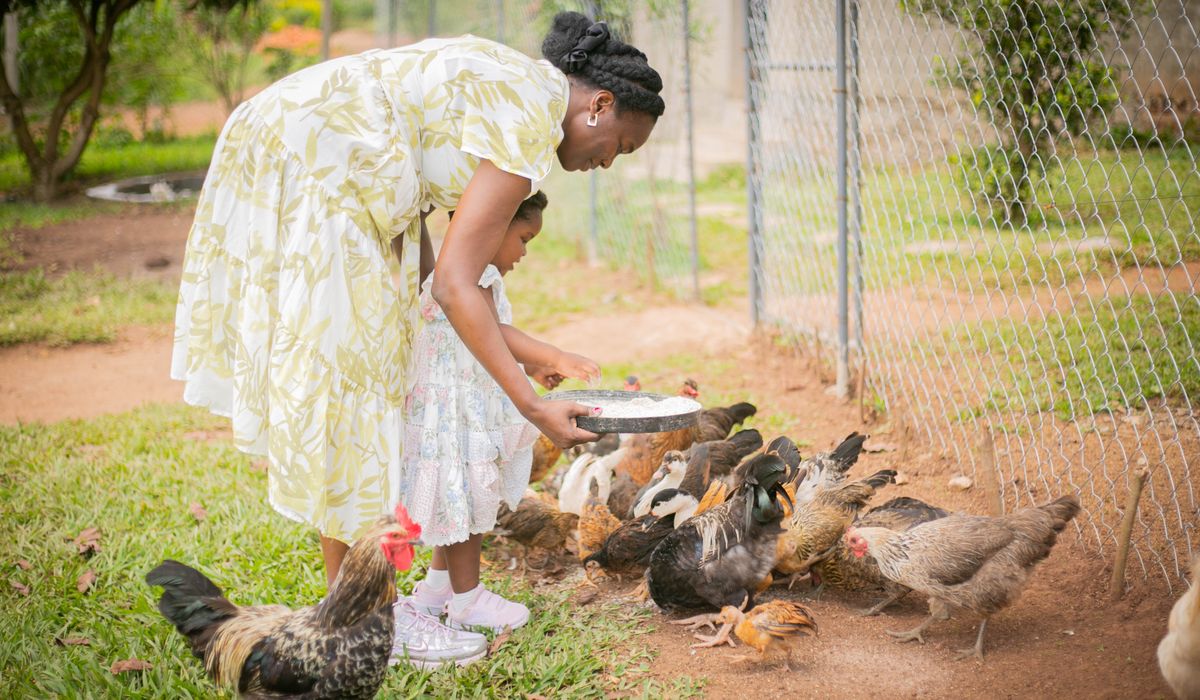
Why the Calendar Matters More Than the Thermometer
Chickens don't read the weather forecast; they read the light. A hen's reproductive system is switched on and off by day length, with hormones responding to how many hours of brightness reach her eyes. The magic number is roughly 14 hours of daylight — below that, laying slows; above it, most hens will lay steadily. Here in the UK, that means natural peak production from late March through to early September, a gradual tail-off through autumn, a low point around the winter solstice on 21 December, and a steady climb back as the days stretch in the new year. Cold weather plays a part, because a hen burns calories keeping warm rather than making eggs, but light is the true switch.
The Autumn Slowdown and the Moult
Before the darkness bites, most adult hens do something far more dramatic: they moult. Shedding and regrowing an entire coat of feathers takes eight to twelve weeks, and it is expensive work. Feathers are around 85 per cent protein, so a moulting hen diverts everything she has into growing new ones. Expect laying to stop almost entirely, or to drop to the odd egg a week. You may also see soft-shelled or unusually small eggs as she winds down.
Moulting usually starts at the head and neck, works down the body, and finishes at the tail — so a hen with a tatty rear end is nearly done. Some birds sail through in six weeks; others take three months and look like they've been through a hedge backwards. Don't push them. This is a natural rest period, and forcing a moulting hen to lay with artificial light does her no favours.
What Winter Actually Looks Like
It helps to know what's normal, so you don't panic in November. A rough guide for a UK flock:
- Hybrids in their first laying year: often 3–4 eggs a week right through winter, slowing only in the coldest snaps.
- Second-year hens: typically 1–2 eggs a week, sometimes less, often with a complete pause in December and January.
- Older or moulting birds: frequently nothing at all from October to February, and that's perfectly healthy.
- Pullets hatched in spring: may lay straight through their first winter, though the early eggs will be small.
Pure breeds — Sussex, Orpington, Marans, Wyandotte — tend to slow more sharply than commercial hybrids, and some heritage types stop altogether. That's the trade-off for hardiness and longevity.
Should You Light the Coop?
Many smallholders add a small light on a timer to top up the day to 14 hours, usually in the early morning rather than the evening, because hens put themselves to bed at dusk and a sudden blackout leaves them stranded on the floor. If you go down this route, increase the light gradually — a few minutes a week — and never extend beyond 14 hours. More light means more eggs, but also more wear on the hen, and birds pushed hard tend to have shorter laying lives. If you keep hens as pets as much as producers, letting them rest naturally is a perfectly respectable choice.
Feeding and Care Through the Lean Months
Winter is when good husbandry pays off. Switch to a quality layers' pellet at 16 per cent protein as standard, and consider a moulting or growers' ration at 18–20 per cent for birds regrowing feathers. A handful of mixed corn in the afternoon gives slow-release energy for the cold night, and a warm mash — pellets mixed with hot water — is gratefully received on a frosty morning.
- Water: check drinkers twice daily in freezing weather. Hens drink less when cold, and dehydration stops laying faster than hunger.
- Grit and oyster shell: keep both available free-choice so shells stay strong.
- Parasites: moulting feather loss can hide red mite and lice. Inspect perches and nest boxes weekly, and treat if needed.
- Housing: ventilate without draughts, keep bedding dry, and check combs for frostbite on very cold nights.
- Treats: go easy. Overweight hens lay poorly, and kitchen scraps dilute the balanced ration.
Planning Your Flock for a Steady Supply
Spring brings the rebound. As days pass 12 hours in February, you'll see combs redden and eggs reappear; by late March and April, production surges and shells firm up. Hens that moulted in autumn come back into lay with noticeably larger eggs. Point-of-lay pullets bought in spring will start at around 18–22 weeks, and a broody hen will pause for three weeks if you let her sit.
To smooth out the annual dip, stagger your flock's ages: keep a couple of young hybrids alongside your older pure breeds, add two or three pullets each spring, and accept that December will always be quiet. If you want eggs on toast in January, water-glassing or freezing your spring surplus is far kinder than bullying a hen through her natural rest. Work with the seasons and your birds will reward you for years.



John Doe
14 January, 2022Having no content in post should have adverse..
Chauffina Carr
10 April, 2022We use these tests all time! Killer stuff!
Jim Séchen
16 July, 2022Thanks for all the comments, everyone!