

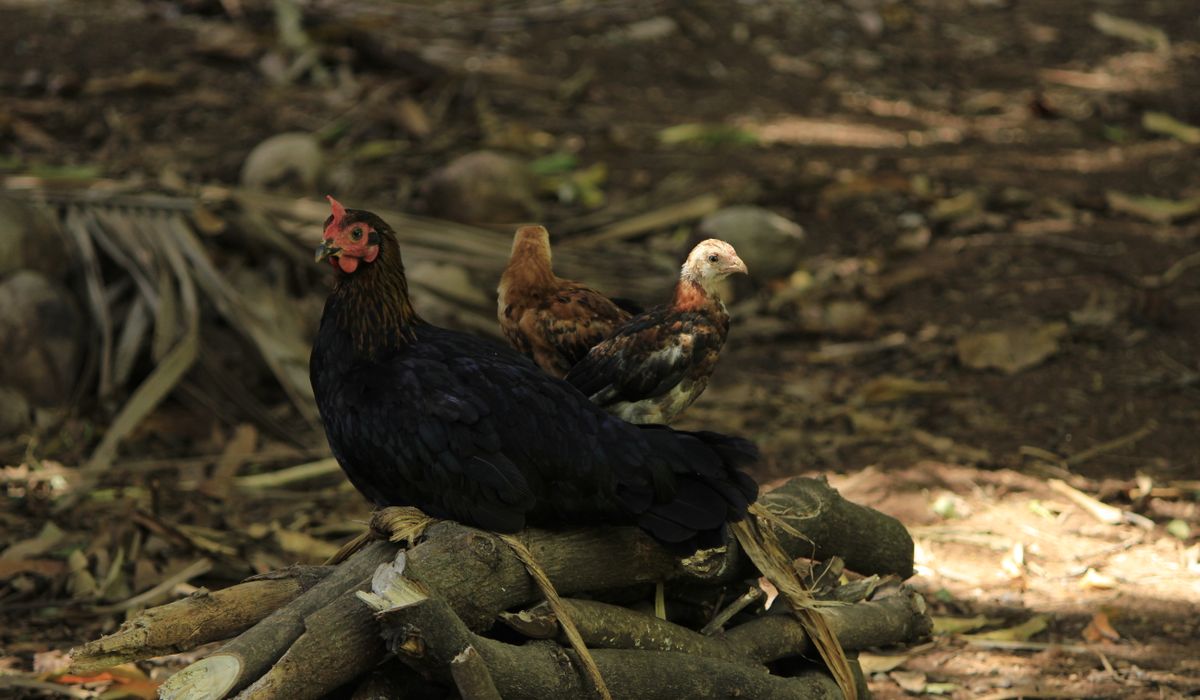
Adding poultry to a smallholding is one of the most rewarding steps you can take. Chickens turn kitchen scraps into eggs, scratch over manure, and bring a lively rhythm to the day. But they also demand planning. Get the housing, grazing, and protection right before the birds arrive, and you will avoid the common mistakes that lead to sick flocks, spoiled pasture, and late-night fox visits.
Check the Rules and the Land Before You Buy
Before you order point-of-lay pullets or hatching eggs, check your legal position. If you keep 50 or more birds, you must register with the Animal and Plant Health Agency (APHA) even if they are pets. Check your deeds, tenancy agreement, or allotment rules for any restrictions on poultry. Also think about avian influenza housing orders, which can require birds to be kept under cover during outbreaks. Walk your land: where will water drain in winter? Chickens poach wet ground quickly. Choose a free-draining site for the hen house and a sheltered spot for the run.
Housing: Dry, Draught-Free, and Secure
A hen house is not just a box. Allow at least 30cm square of floor space per bird inside and 1 square metre per bird in the run, more if they will be confined for long periods. Ventilation is critical: high-level vents that let moist air out without creating a draught at perch level. Damp and ammonia cause respiratory disease more often than cold.
- Perches: 20–25cm of length per bird, rounded timber, 4–5cm wide, set at least 45cm off the floor.
- Nest boxes: one for every 4–5 hens, lined with dust-free shavings or straw.
- Flooring: deep litter of wood shavings or hemp; avoid newspaper, which is slippery and useless for scratching.
- Security: welded mesh, not chicken wire, on all openings. Use bolts and padlocks, not simple latches.
Grazing and Rotation: Keep the Ground Thriving
On a smallholding, chickens can improve pasture or ruin it. The difference is rotation. Use movable electric netting to give birds a fresh patch every 3–7 days. Let each patch rest for 4–6 weeks before they return. Keep grass at 5–10cm; shorter than that and the birds will scratch up roots. Longer than 15cm and they will avoid it and let it mat. In wet British winters, move the run onto woodchip or hardstanding to prevent poaching.
- Rotate with other livestock: follow cattle or sheep to break worm cycles and spread manure.
- Provide grit and oyster shell in separate hoppers, not mixed into feed.
- Watch for bare patches: if you see them, you are moving too slowly.
Predator Protection: Foxes, Badgers, and Birds of Prey
The fox is the main threat in most of the UK, and it will dig, climb, and squeeze through gaps you would not believe. Electric netting at 4,000–5,000 volts is the most reliable daytime barrier. For night, a secure house with a solid floor or a buried mesh skirt is essential. Badgers can dig under fences; use a 60cm skirt of welded mesh pegged to the ground. Mink and rats need gaps no larger than 2.5cm.
- Close pop holes at dusk and count birds. Do not rely on automatic doors alone.
- Cover runs with netting if buzzards or sparrowhawks are a problem.
- Check fences daily for digging, loose wires, and hedge gaps.
Daily Care, Feed, and Health Checks
A small flock needs a simple, regular routine. Each morning, let birds out, count them, and check water. Each evening, shut them in and count again. Feed a balanced layers pellet at roughly 120g per bird per day, plus mixed grit and oyster shell. Clean drinkers daily; chickens drink 200–300ml each per day, more in hot weather.
- Health check: bright eyes, clean vent, smooth scales on legs, full crop at night.
- Watch for red mite: run a white cloth under perches at night; if you see grey specks that turn red, treat the house immediately.
- Worm regularly with a licensed poultry wormer, following the egg withdrawal period.
- Keep a notebook: date, feed used, eggs collected, any symptoms. Patterns emerge quickly.



John Doe
14 January, 2022Having no content in post should have adverse..
Chauffina Carr
10 April, 2022We use these tests all time! Killer stuff!
Jim Séchen
16 July, 2022Thanks for all the comments, everyone!