

Why Free-Ranging Suits the British Smallholding
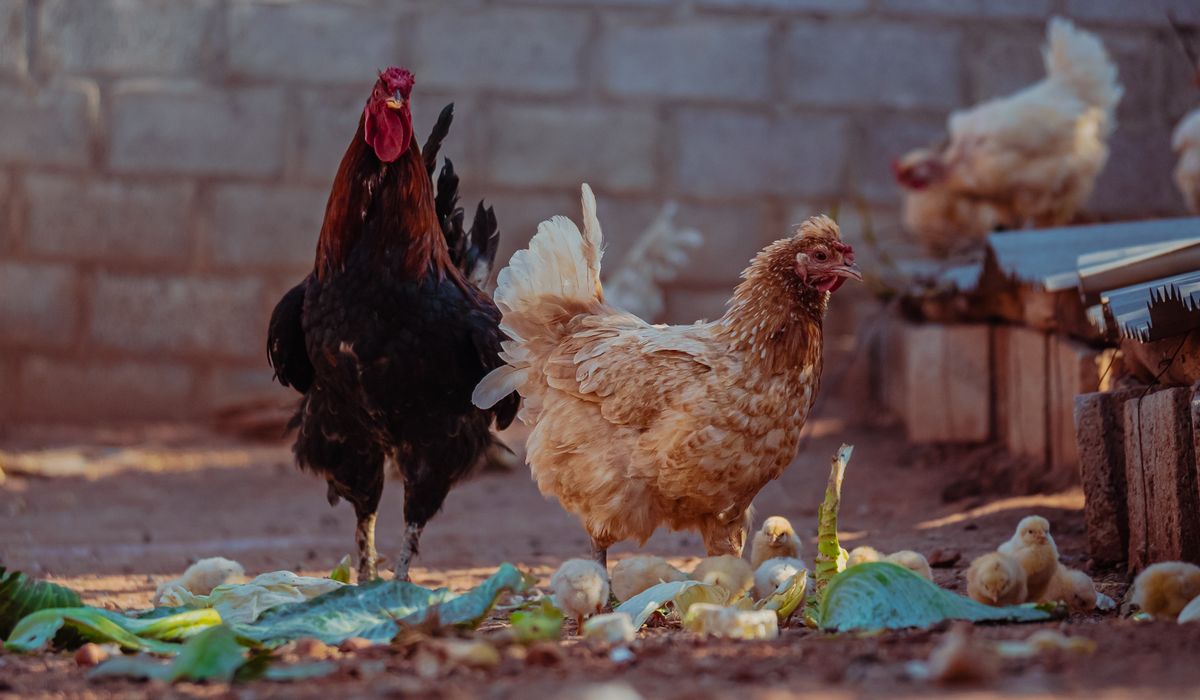
There is something quietly satisfying about opening the pop hole on a spring morning and watching a flock spill out across the grass instead of pacing a static run. Free-ranging is the closest most of us come to keeping hens the way they were kept for centuries on smallholdings: a loose flock scratching about the orchard, the paddock edge, and the strip beside the compost heap.
It is not, however, simply a matter of leaving the gate open. A hen that ranges freely is a hen exposed to foxes, buzzards, badgers, and the neighbour's terrier. Done well, free-ranging is one of the best things you can offer your birds — better condition, fewer behavioural problems, and a noticeably richer egg. Done carelessly, it is a slow way of feeding the local wildlife. The trick is to combine genuine freedom with boundaries that hold.
Healthier Birds, Naturally
A hen kept on the same patch of ground day after day is a hen living in her own litter. Free-ranging breaks that cycle. Birds walk, run, flutter, and dust bathe in dry soil, which is the single most effective natural defence against lice and mites. The sunlight on their combs and legs supports vitamin D production, and the exercise builds the muscle tone you can feel across the breastbone of a genuinely fit bird.
The behavioural gains are just as real. Boredom in poultry shows up as feather pecking, egg eating, and obsessive pacing along the fence line. Give hens somewhere to go and something to find, and those habits usually fade within a fortnight. You will also notice a calmer flock — a ranging hen is a busy hen, and a busy hen does not squabble over the feeder.
Better Eggs from Better Foraging
The difference in the egg basket is not imagination. Hens that forage eat a mixed diet of grass, seeds, beetles, worms, and the occasional unlucky frog, and that variety shows up in the yolk. The carotenoids in greenstuff and insects deepen the colour to a rich orange, and the higher proportion of natural forage is associated with better omega-3 levels in the egg.
Practical points worth knowing:
- Yolk colour tracks what the birds are actually eating, so a dull yolk in summer usually means the grass has gone over or the flock is not getting out enough.
- Shell quality depends far more on consistent layers' feed and access to crushed oyster shell than on ranging, so keep both available at all times.
- Free-ranged eggs often have a firmer white and a thicker shell membrane, which many keepers find noticeable when poaching or frying.
- Expect some seasonal variation — spring eggs from fresh growth are usually the best of the year.
Free Pest Control and Ground Management
A ranging flock earns its keep. Hens are relentless hunters of slugs, snails, leatherjackets, and chafer grubs, and they will work through a muck heap turning it into a fine crumb as they go for the fly larvae inside. In an orchard or fruit cage, this is genuinely useful work, and the droppings they leave behind are a gentle, well-distributed fertiliser.
The same enthusiasm is a problem in the kitchen garden. Freshly sown beds, young brassicas, and ripening soft fruit will all be stripped or scratched to pieces. The usual solution is a rotating system: let the flock into one area while another rests, and keep seedling beds behind a low temporary fence of netting or mesh. A patch of rough grass and leaf litter left deliberately undisturbed gives them somewhere to hunt without costing you a crop.
Securing Boundaries Before You Open the Pop Hole
Assume there is a fox. In most of the UK, urban and rural alike, there is, and it will test your perimeter methodically. Foxes can clear a metre-high fence from a standing start and will happily dig under one given twenty minutes of quiet.
- Electric poultry netting is the most practical boundary for most smallholders. A well-earthed energiser and a clear strip of mown grass beneath the net make it far more effective.
- Post-and-wire fencing should be at least 1.8 metres high with a buried skirt or an outward-facing apron of mesh pinned to the ground.
- Woven hedging such as hawthorn or blackthorn slows a fox and gives cover, but it is a deterrent rather than a barrier.
- Overhead cover matters in open country, where buzzards and sparrowhawks will take pullets and bantams from an exposed lawn.
Check gates, gaps under sheds, and the join between the run and the ranging area. Most losses happen at a weak point you already knew about.
Managing Predators, Neighbours, and the Daily Routine
The workable routine for most households is supervised ranging: birds out from mid-morning until dusk, shut away at night without exception. If you are out all day, consider a secure covered run attached to the coop and range only when someone is about. Badgers will take poultry, and mink near rivers and streams are far more dangerous than most keepers expect.
Keep layers' pellets inside the coop or under cover — feed left out in the open draws rats and gulls and tells every passing predator exactly where to look. Speak to neighbours before you start, particularly if you keep a cockerel or your flock will be crossing a shared boundary. And accept that free-ranging and a manicured lawn are not fully compatible; a flock will leave patches of bare earth where they dust bathe, and those patches move about the garden each season. Most of us decide that is a fair trade for hens in good fettle and a basket of properly golden eggs.



John Doe
14 January, 2022Having no content in post should have adverse..
Chauffina Carr
10 April, 2022We use these tests all time! Killer stuff!
Jim Séchen
16 July, 2022Thanks for all the comments, everyone!