


Why Hens Need a Dust Bath
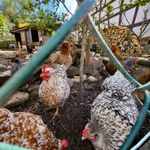
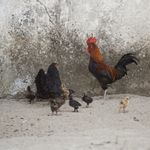
Watch a flock of hens for half an hour on a dry day and you will almost certainly see one of them squat in a patch of loose earth, wings half-spread, kicking soil through her feathers with obvious delight. That behaviour is not idleness or a quirk. Dust bathing is one of the most important things a chicken does, and it is the closest thing she has to a bath, a spa treatment and a health check rolled into one.
When a hen works dry soil, sand and fine ash through her plumage, the particles soak up excess oil and lift away flakes of dead skin, dried mud and old feather sheaths. They also smother and dislodge lice, red mite and other external parasites that would otherwise thrive in the warm, sheltered space near the base of the feathers. Just as importantly, dust bathing is a social and stress-relieving activity. Hens often bathe in pairs or in a queue, taking turns in a favourite hollow, and a bird that has had a good roll usually stands, shakes vigorously and preens with a contented, almost smug air.
If your birds are kept on hard standing, in a run with a solid floor, or on heavy clay that bakes hard in summer, they may have nowhere suitable to bathe. Providing a purpose-built dust bath solves that problem in an afternoon and costs very little.
Choosing the Right Spot
Position matters more than most people expect. A dust bath needs to be dry, sheltered from prevailing rain and wind, and in a spot the hens already like to gather. The south-facing side of a shed, under a lean-to, or beneath a raised coop that keeps the worst of the weather off are all sensible choices.
Avoid anywhere that puddles in winter or that stays damp and shaded through the day. Damp bathing material is worse than none at all, because it can mat the feathers, chill the bird and encourage fungal problems. If your run has no natural shelter, a simple roof of corrugated sheet or a repurposed plastic crate lid fixed over the bath will keep it usable for far more of the year.
Size-wise, allow roughly one bathing space per four to six hens so that lower-ranking birds are not constantly chased off. A bath around 60cm square and 15–20cm deep suits most standard breeds; bantams are happy with something smaller, while large or heavy breeds appreciate a wider, shallower tray that is easy to step into.
Mixing the Perfect Bathing Material
The ideal dust bath is dry, fine, free-draining and slightly dusty rather than gritty. A good all-round mix is roughly:
- Two parts dry, sieved topsoil or garden loam — the base that gives the bath body and a familiar earthy smell.
- One part sharp sand or horticultural sand — helps drainage and adds the abrasive texture that scours parasites from the skin. Avoid builder's sand with a high salt content and never use fine play sand, which packs down like concrete.
- One part wood ash — from untreated timber, natural charcoal or clean hardwood only. Ash is traditionally used for its drying and mildly anti-parasitic properties, but it must be completely cold and free of nails, plastic or painted offcuts.
- A handful of diatomaceous earth (optional) — food-grade only, and used sparingly, as it is a respiratory irritant when inhaled in quantity.
Mix everything thoroughly in a barrow or on a tarpaulin until it is evenly blended and crumbly, then tip it into your container. If you keep the bath dry, the mix will last months; top it up when the level drops or when it starts to clump.
A word on containers: an old tyre, a shallow mortar tray, a rigid plastic paddling pool or a wooden box all work. Whatever you choose, make sure the rim is low enough for hens to hop in and out easily, and check there are no sharp edges or trapped water. Sink the container slightly into the ground if you can, so it looks like a natural hollow rather than an obstacle.
Keeping the Bath Clean and Safe
A dust bath is only as good as its contents, so give it a quick check every week or so. Scoop out droppings, wet clumps, leaves and anything the hens have kicked in. If the mix has become damp, tip it out, let it dry in the sun and refreeze the whole lot through a sieve before returning it.
Refresh the wood ash and sand every couple of months, and replace the entire mix at least twice a year. If you have had a mite problem, empty and refill the bath, and clean the container with a poultry-safe disinfectant before adding new material. Never add ash from coal, briquettes or treated, painted or varnished wood — these contain compounds that are toxic to birds.
Finally, watch how your hens use it. A bath that gets ignored is usually too wet, too deep or in the wrong place; a bath that gets used daily and scattered across the run is working exactly as it should. A little maintenance now saves a great deal of feather-picking and parasite trouble later.
Making It a Daily Habit
Once the bath is established, the hens will do the rest. You will see them queueing, fluffing, rolling and shaking, and within minutes of finishing they will be back to scratching and foraging with glossy, well-ordered feathers. For a smallholding or a back-garden flock, a well-sited dust bath is one of the simplest and most rewarding pieces of poultry husbandry you can provide — cheap to build, easy to maintain, and genuinely enjoyed by the birds that use it.




John Doe
14 January, 2022Having no content in post should have adverse..
Chauffina Carr
10 April, 2022We use these tests all time! Killer stuff!
Jim Séchen
16 July, 2022Thanks for all the comments, everyone!