

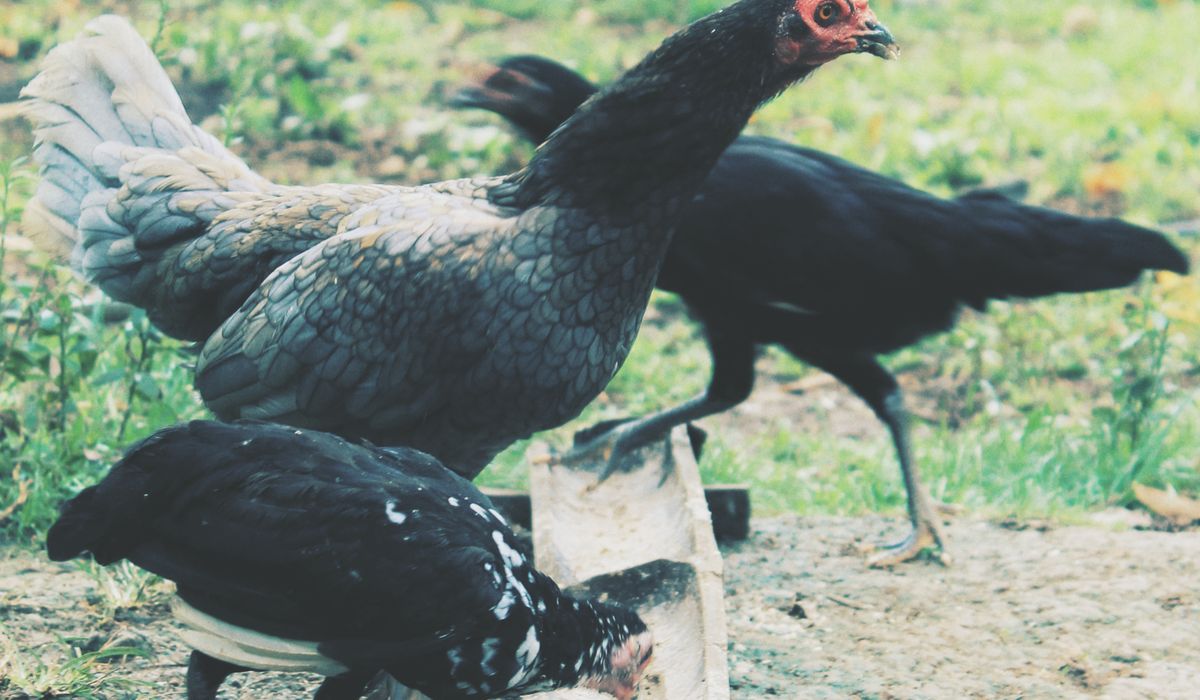
What Is Egg Binding and Why Does It Happen?
Egg binding occurs when a hen cannot pass a fully formed egg through her oviduct and out of the vent. It is one of the most common reproductive emergencies in backyard flocks, and it can affect any hen, though it is more frequent in young pullets coming into lay, older hens, and those who are overweight or undernourished. The egg may be unusually large, soft-shelled, or double-yolked. Other contributing factors include a lack of calcium, dehydration, cold weather, stress, or an underlying infection. Left untreated, egg binding can be fatal within 24 to 48 hours, so swift recognition is vital.
Warning Signs to Watch For
Early signs can be subtle, so spend a few minutes observing your hens each day. A hen that is egg bound may:
- Make frequent trips to the nest box without producing an egg
- Sit on the floor or in a corner with her tail pumping up and down
- Adopt a penguin-like stance, standing with her legs wide and tail lowered
- Strain visibly, sometimes with a small amount of clear or bloody discharge
- Have a swollen, tense abdomen that feels hot to the touch
- Pant, breathe heavily, or show a pale, bluish comb
- Lose interest in food and water, becoming lethargic and withdrawn
- Be found late in the day still sitting in the nest box, long after others have left
Any combination of these signs warrants immediate attention. Do not wait to see if she passes the egg on her own – the longer she strains, the greater the risk of exhaustion, prolapse, or a ruptured oviduct.
Gentle First Aid Steps at Home
If you suspect egg binding, act calmly and quietly. Stress makes the condition worse, so minimise handling and noise. First, isolate the hen in a warm, dimly lit box or crate lined with soft bedding. Then try the following steps:
- Warm bath: Fill a basin with warm water – about 38–40°C, comfortably warm to your wrist. Let the hen stand or gently sit in it for 15–20 minutes. This relaxes the vent muscles and can help the egg move. Never leave her unattended.
- Lubrication: After gently patting her dry, apply a small amount of water-based lubricant or olive oil around the vent. Do not insert your finger or try to pull the egg – you could tear delicate tissue.
- Calcium boost: If you have liquid calcium or a crushed calcium tablet, offer it orally only if you are confident. A vet can advise on the correct dose. Some hens respond quickly to a calcium supplement.
- Hydration and warmth: Offer lukewarm water with electrolytes. Keep her warm with a heat lamp or a hot water bottle wrapped in a towel, but ensure she can move away if she gets too hot.
- Quiet rest: Leave her in a dark, quiet place for an hour. Many hens pass the egg after a warm bath and a rest. If she does, offer a calcium-rich treat and keep her separate for a few hours to monitor her.
Never try to break the egg inside the hen, and never pull it with force. If the egg is visible at the vent and she is still straining, a vet may need to remove it manually under anaesthesia.
When to Call the Vet
If your hen has not passed the egg within an hour or two of first aid, or if she is showing severe signs – gasping, collapse, bloody discharge, or a prolapsed vent – contact your vet immediately. Egg binding can quickly lead to peritonitis if the egg breaks inside, or to shock. A vet can give calcium injections, fluids, antibiotics, or perform a manual extraction. Do not delay if she is deteriorating. Many smallholder vets are happy to advise over the phone, but an examination is often needed. It is far better to call early than to wait until she is critical.
Preventing Egg Binding in Your Flock
Prevention is always better than cure. Ensure your hens have a balanced diet with adequate calcium – offer oyster shell free-choice, and use layers' pellets rather than mixed corn as the main feed. Keep fresh water available at all times, especially in hot weather. Maintain a healthy weight; obese hens are more prone to egg binding. Encourage exercise and avoid sudden changes in routine. Provide enough nest boxes – one per four to five hens – and keep them clean and quiet. For older hens or those with a history of egg binding, consider a calcium supplement or a vet check before the laying season. Regular observation is key: know what a healthy hen looks like so you can spot the subtle signs early.
Aftercare and Recovery
Once the egg has passed, your hen may be tired and dehydrated. Keep her in a warm, quiet area for 24 hours with easy access to water and food. Offer a calcium-rich treat such as crushed eggshell or a calcium supplement. Check her vent for any sign of prolapse or injury. If she is still straining or seems unwell, call your vet. Most hens recover fully with prompt care, but a repeat episode is possible. Review her diet and environment to reduce future risk. And remember: you did the right thing by acting quickly. Egg binding is frightening, but with calm, gentle first aid and timely veterinary support, many hens pull through.



John Doe
14 January, 2022Having no content in post should have adverse..
Chauffina Carr
10 April, 2022We use these tests all time! Killer stuff!
Jim Séchen
16 July, 2022Thanks for all the comments, everyone!